Walk through the Botanic Gardens on a Sunday morning and you'll spot clusters of people on yoga mats, their silhouettes framed against the restored Swan Lake. This scene, once uncommon in Singapore, now feels routine. The city's embrace of yoga, meditation, and holistic wellbeing has accelerated dramatically over the past three years, reshaping how Singaporeans approach their health beyond the traditional polyclinic visits and gym memberships.
The growth is tangible. Community centres across HDB estates—from Tanjong Pagar to Bukit Merah—now offer subsidised yoga classes, many priced between $5 and $15 per session. The Housing and Development Board has integrated wellness into its estate gym facilities, recognising that joint health and mental resilience matter as much as cardiovascular fitness. Meanwhile, studios concentrated along Ann Siang Hill, Jalan Besar, and the heartland corridors report waiting lists for evening meditation circles that would have been unthinkable a decade ago.
What's driving this shift? Partly, it's generational. Young professionals juggling demanding careers in the CBD have discovered that yoga offers something their running routes along the East Coast Parkway don't—a framework for managing stress that feels both modern and ancient. But it's also institutional. Corporate wellness programmes increasingly feature mindfulness retreats and meditation workshops, acknowledging burnout as a structural issue, not a personal failure.
The wellness approach extends to familiar spaces. Hawker centres now label healthier options more prominently, and there's growing cultural permission to choose a vegetable-forward meal without self-consciousness. The polyclinic network has begun integrating wellness counselling, moving beyond acute care towards preventive, holistic approaches.
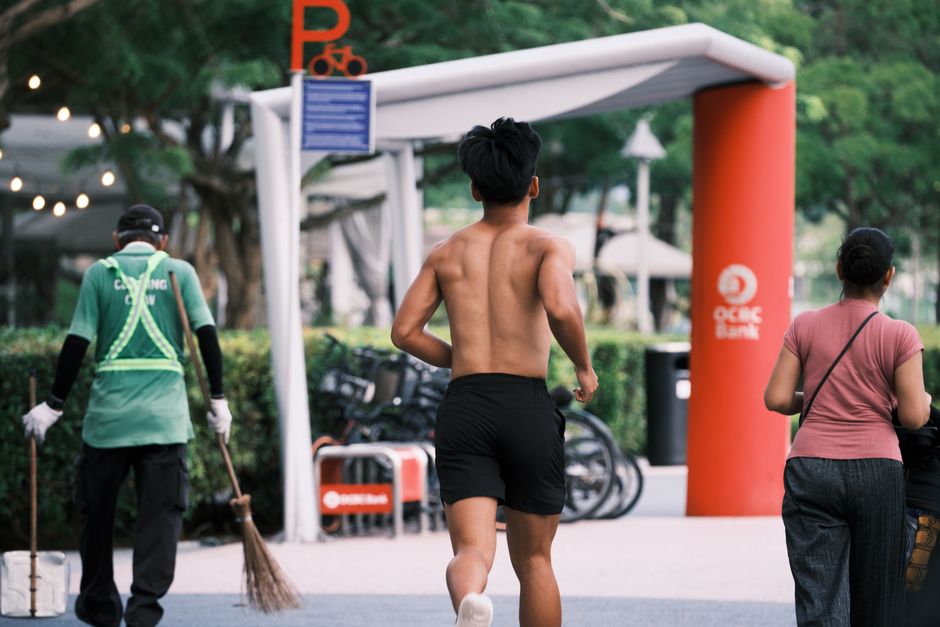
Community sport culture—always strong in Singapore—is evolving too. Running groups that once focused purely on pace now incorporate breathwork. Cycling communities discuss recovery and mindfulness as seriously as they discuss gear. Even traditional tai chi practitioners in neighbourhood parks have seen their numbers swell with younger participants.
Yet challenges remain. Affordability keeps premium studios out of reach for many. The pace of Singapore life—the relentless efficiency, the constant connectivity—can work against the mindfulness message. And there's a risk that wellness becomes another achievement metric, another thing to optimise rather than a genuine shift towards balance.
What's clear, though, is that the trend has moved beyond Instagram aesthetics. Meditation and yoga are embedding themselves into Singapore's public health conversation, community infrastructure, and daily routines. The question now isn't whether these practices will stick—it's how they'll continue evolving to meet this city's unique needs and rhythms.
This article was compiled by AI from the sources linked above and screened before publishing. See our editorial standards.