Wellness
Healthy Eating Singapore: Hawker vs Wellness Cafés
Discover how Singapore's hawker centres offer nutrient-dense meals for $3-5, rivalling trendy $16 açai bowls. Real wellness or marketing hype?
2 min read
Wellness
Discover how Singapore's hawker centres offer nutrient-dense meals for $3-5, rivalling trendy $16 açai bowls. Real wellness or marketing hype?
2 min read
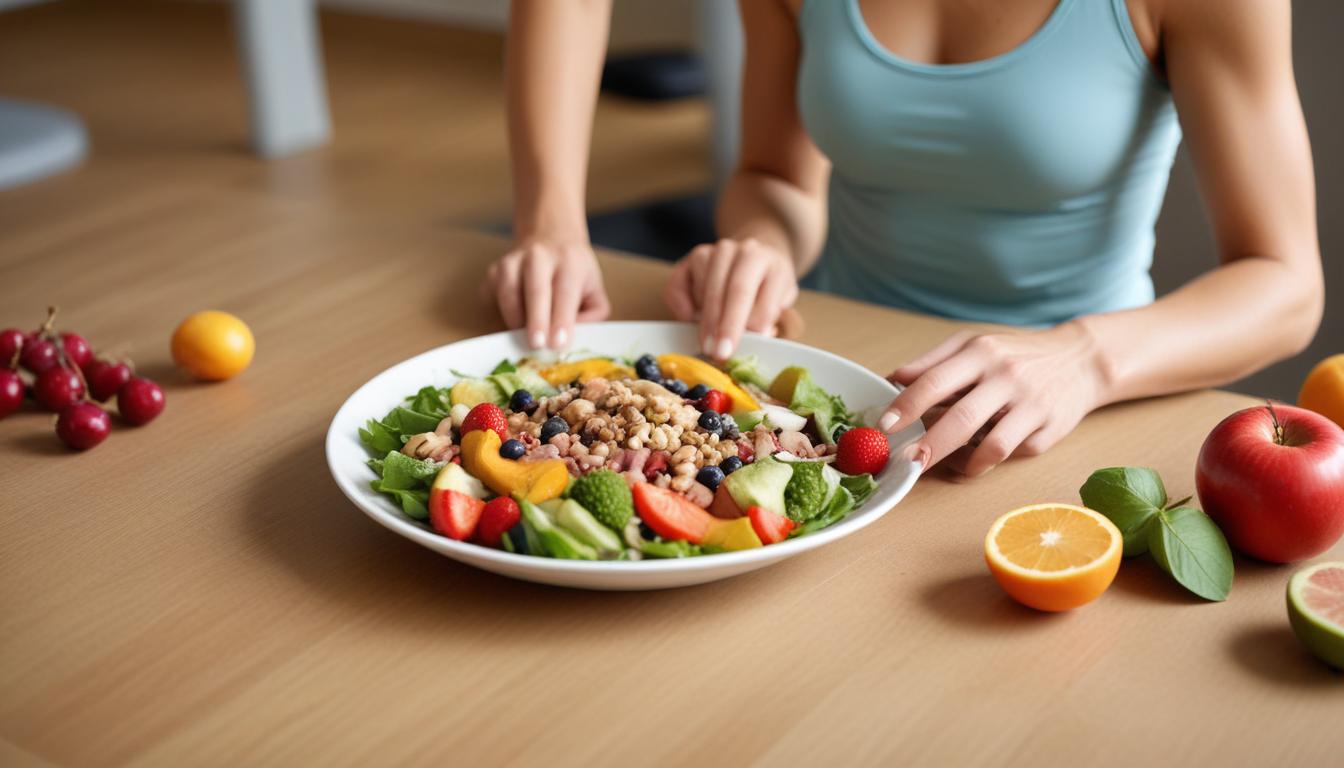
Walk past any café in Tiong Bahru or Bugis and you'll spot the hallmarks of global wellness culture: chia seed puddings, activated charcoal lattes, plant-based Buddha bowls priced at $16 and upwards. Yet step into a neighbourhood hawker centre in Toa Payoh or Clementi, and you'll find something arguably more sustainable—nutrient-dense meals for $3 to $5 that have sustained generations of Singaporeans.
The tension between trending wellness fads and traditional eating habits reveals something interesting about how Singapore adapts global health movements. According to a 2025 Health Promotion Board survey, 54% of working adults express interest in healthy eating, yet only 31% actively modify their diet. Meanwhile, plant-based options have grown 23% year-on-year at mainstream food courts, suggesting incremental mainstream adoption rather than wholesale conversion.
What's striking is that Singapore's most accessible nutrition wisdom comes not from wellness influencers, but from traditional hawker culture itself. A bowl of laksa from a Jalan Alojado stall contains turmeric, galangal, and spices with documented anti-inflammatory properties. Chicken rice delivers lean protein and complex carbohydrates. Fish soup offers omega-3s. Yet these meals rarely trend on social media because they lack the aesthetic premium that global wellness brands depend on.
Premium wellness outlets—concentrated in areas like Raffles Place, Orchard Road, and the Arts and Science precinct—cater to a specific demographic willing to pay $14-18 for a smoothie bowl. This isn't inherently problematic; accessibility to quality nutrition matters. But it reveals a two-tiered system where healthy eating is sometimes positioned as aspirational rather than accessible.
Local initiatives are closing this gap thoughtfully. The Health Promotion Board's hawker healthier choice programme now labels over 14,000 dishes across 500 hawker centres island-wide. Polyclinic nutritionists increasingly recommend hawker meals with adjustments—fewer noodles, more vegetables, lighter sauces—rather than suggesting dietary overhauls incompatible with local food culture.
The smartest Singaporeans aren't choosing between global wellness trends and local food; they're doing both pragmatically. A person might enjoy a turmeric latte from a Tanglin café occasionally, while building their actual weekly diet around hawker plates they enjoy and can afford. That's not compromise—it's sustainable nutrition.
The real wellness trend isn't what you're eating; it's whether you can maintain it long-term. For most Singaporeans, that answer lies closer to home than any trending superfood.
This article was compiled by AI from the sources linked above and screened before publishing. See our editorial standards.

Wellness
Wellness
Wellness

Wellness
About this article
Published by The Daily Singapore
Spread the word
Daily brief
Free, in your inbox before 7am. Weekdays.
The Daily Network — local news across Australia