Sleep deprivation is practically a badge of honour in Singapore's fast-paced culture, yet a quiet shift is underway. Across neighbourhoods from Bukit Merah to Clementi, residents are experimenting with deceptively simple routines that are paying dividends—and they're nothing like the restrictive sleep protocols making headlines elsewhere.
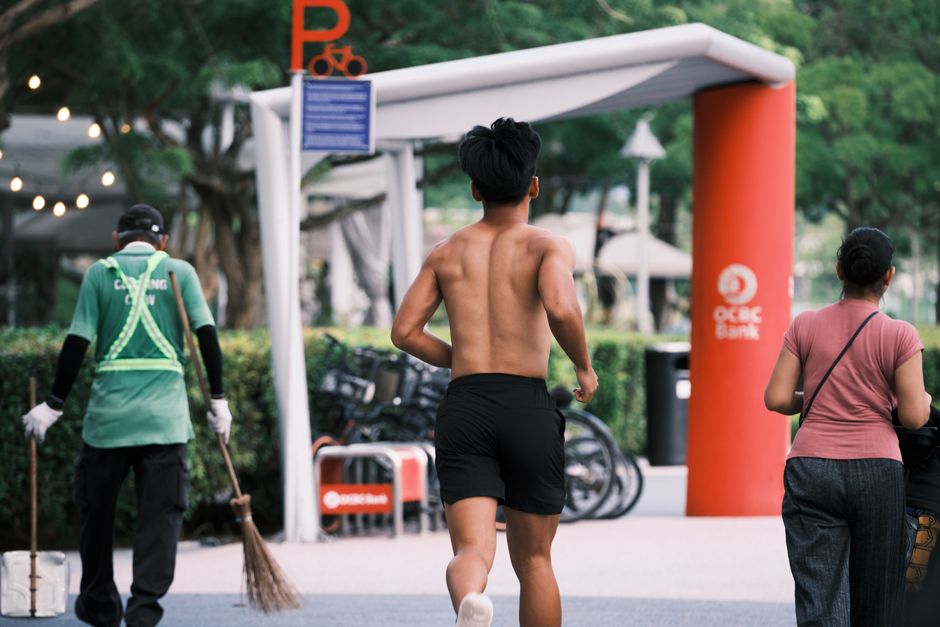
At the East Coast Park, a growing cluster of early risers begins their mornings between 5:30 and 6 a.m., not with intense workouts, but with gentle 30-minute jogs or walks. "The sunrise routine resets my cortisol naturally," explains the practice's appeal, grounded in chronobiology basics. This timing aligns with Singapore's tropical sunrise around 6:50 a.m., making it physiologically sound rather than trendy.
Evening routines are equally unglamorous. Residents near the Singapore Botanic Gardens report that a 20-minute post-dinner stroll—free of charge, accessible daily until 12 a.m.—has become their sleep anchor. The practice costs nothing and fits seamlessly into neighbourhood life, unlike expensive wellness memberships.
What stands out is the adoption of what sleep scientists call "sleep hygiene winddowns." Many Singaporeans are ditching phones 45 minutes before bed, replacing late-night scrolling with reading or listening to podcasts. One Tanjong Pagar resident shared that swapping TikTok for audiobooks from the National Library Board's free digital platform transformed her sleep quality within two weeks.
Temperature control, often overlooked in tropical Singapore, is gaining traction. Those with air-conditioning set it to 22–24°C—aligning with research on optimal sleep temperatures—while others use fans strategically. Cost? Minimal, though energy bills warrant attention.
The community polyclinic network has also played a role. Free sleep consultations at facilities across HDB estates have demystified sleep science, making it accessible rather than the domain of private clinics charging hundreds of dollars per session.
Perhaps most tellingly, the successful habit-builders aren't chasing perfection. They're accepting 6.5 to 7 hours as their personal baseline rather than obsessing over the elusive eight. One Jurong East resident noted that the shift from guilt-ridden "insufficient sleep" to intentional "consistent sleep timing" changed everything—reducing anxiety about rest itself.
The pattern emerging across Singapore's neighbourhoods suggests that sustainable sleep improvement isn't about expensive supplements or radical life redesigns. It's neighbourhood walks, consistent wake times, device-free evenings, and permission to rest without performing wellness for social media. Simple, local, and remarkably effective.
This article was compiled by AI from the sources linked above and screened before publishing. See our editorial standards.