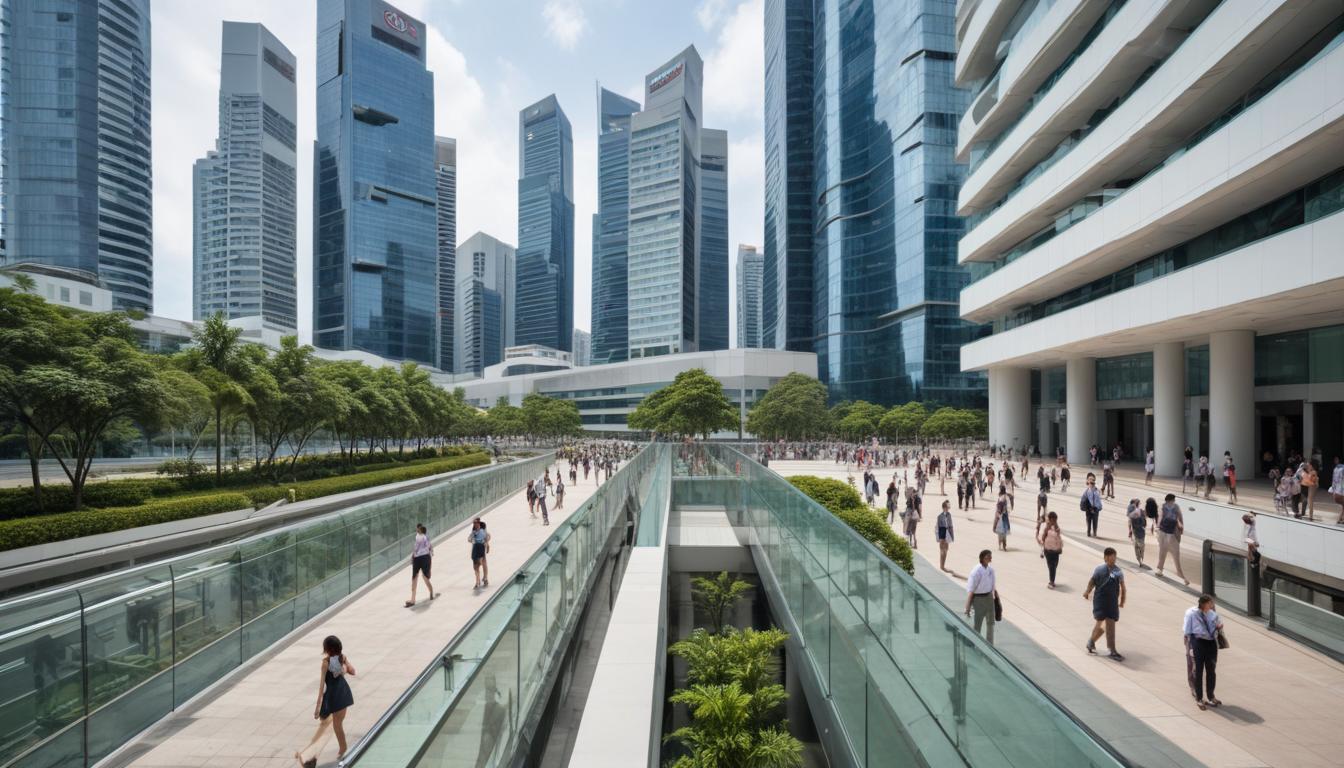
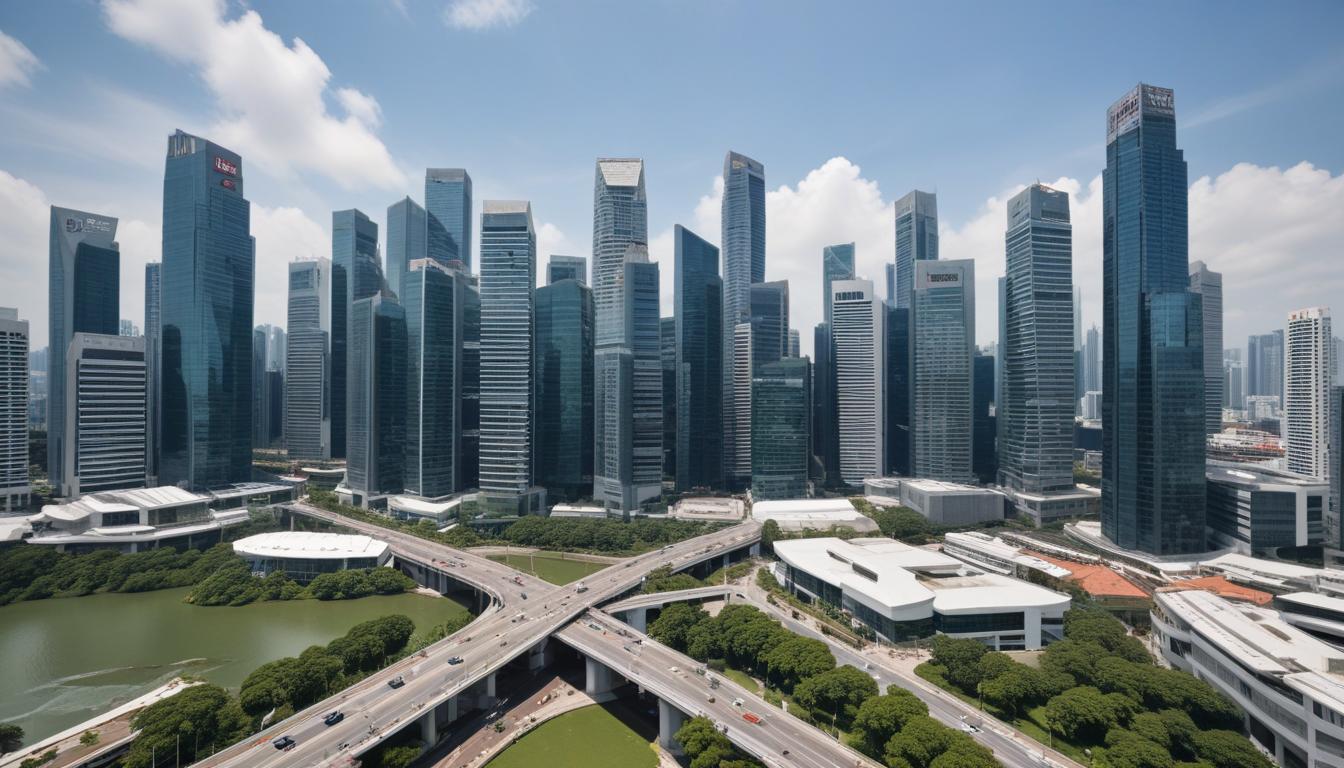
Singapore's office market has become a barometer for broader economic sentiment, and the signals it's sending in mid-2026 paint a nuanced picture of cautious optimism mixed with structural shifts.
The latest data shows the Central Business District vacancy rate holding steady at around 12-13%, down from peaks of 15% during the post-pandemic adjustment period. This tightening reflects genuine demand from multinational corporations and regional headquarters operations, particularly along Raffles Place and the Marina Bay corridor. But numbers alone tell only half the story. What matters equally is *where* tenants are moving and what they're willing to pay for it.
Investment flows tell a clearer tale. Major institutional investors—pension funds, REITs, and sovereign wealth entities—have rotated capital toward mixed-use developments that offer flexibility. The conversion of older office stock in the Tanjong Pagar and Outram Park precincts into co-working hubs and residential units reflects a calculated bet: traditional nine-to-five office culture is structurally weaker, but dense, walkable neighbourhoods with amenities retain value. This migration of capital from pure-play office to hybrid models has pushed prime Grade A space rents to $13-14 per square foot monthly in Marina Bay—premium pricing that signals confidence from those writing the largest cheques.
Foreign direct investment into Singapore's commercial property market reached $6.8 billion in 2025, according to official data, with approximately 40% flowing toward office and logistics assets. The breakdown matters: Chinese investors are notably more cautious than five years ago, while North American and European funds have increased allocations. This rebalancing reflects both geopolitical recalibration and genuine assessment of Singapore's role as a regional operations hub for firms navigating trade tensions.
The real leading indicator, however, lies in lease absorption rates among technology and financial services firms—the bellwether sectors. Tech tenancy growth slowed to 3.2% year-on-year in early 2026, versus 8-10% annually during 2022-2024. Financial services showed marginally better resilience at 5.1% growth. These figures suggest companies are consolidating footprints rather than expanding—a sign that global uncertainty is tempering growth plans, even as operational presence in Singapore remains strategically essential.
For investors and business leaders tracking Singapore's economic trajectory, the office market's message is clear: not contraction, but recalibration. Demand persists for premium space in connected locations, while older or peripheral stock faces genuine headwinds. Capital is flowing toward adaptability and location value, not office space itself. Understanding this distinction separates opportunistic investors from those caught holding deprecating assets.
This article was compiled by AI from the sources linked above and screened before publishing. See our editorial standards.