Ask any health-conscious Singaporean about their nutrition journey, and you'll rarely hear about extreme overhauls. Instead, you'll hear about incremental shifts—the kind that fit seamlessly into our fast-paced, hawker-centric lives.
At the Tiong Bahru wet market on a Tuesday morning, vendors report a noticeable uptick in customers asking for smaller portions of organ meats and asking which vegetables are in season. The shift reflects a broader trend: locals are learning to work *with* our food culture rather than against it. One practical habit gaining traction is the "brown rice swap." At many hawker centres—from Clementi Food Centre to the stalls around Jalan Alor—customers now routinely request brown rice or a mix of brown and white rice with their chicken rice or nasi lemak. The price difference is negligible (sometimes free), yet the fibre content jumps significantly.
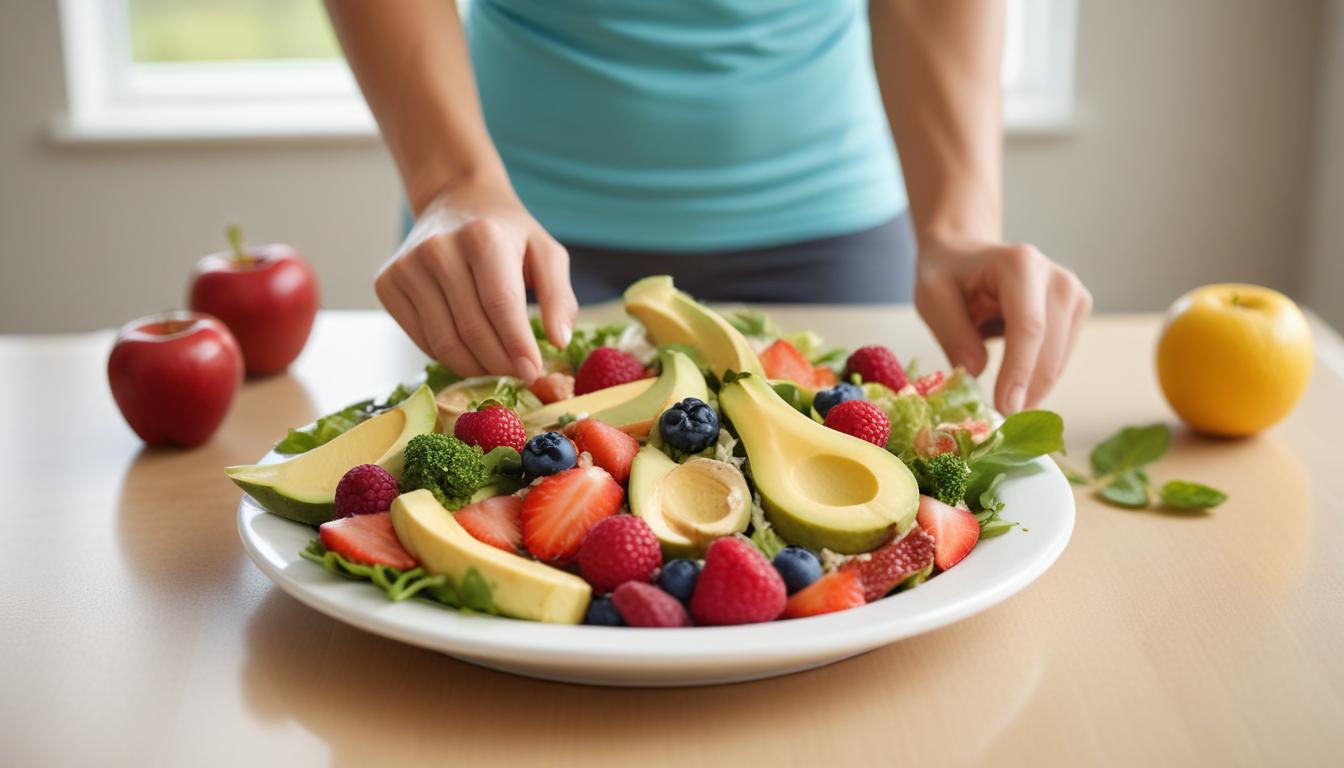
Another sustainable habit involves strategic hawker ordering. Rather than skipping favourite meals, locals are learning to build balanced plates: a bowl of fish soup with extra vegetables, grilled instead of fried protein, and asking for less oil or gravy. The Health Promotion Board's "Eat Right, Live Well" initiative has normalised these requests, making it easier for hawker stall operators to accommodate them without awkwardness.
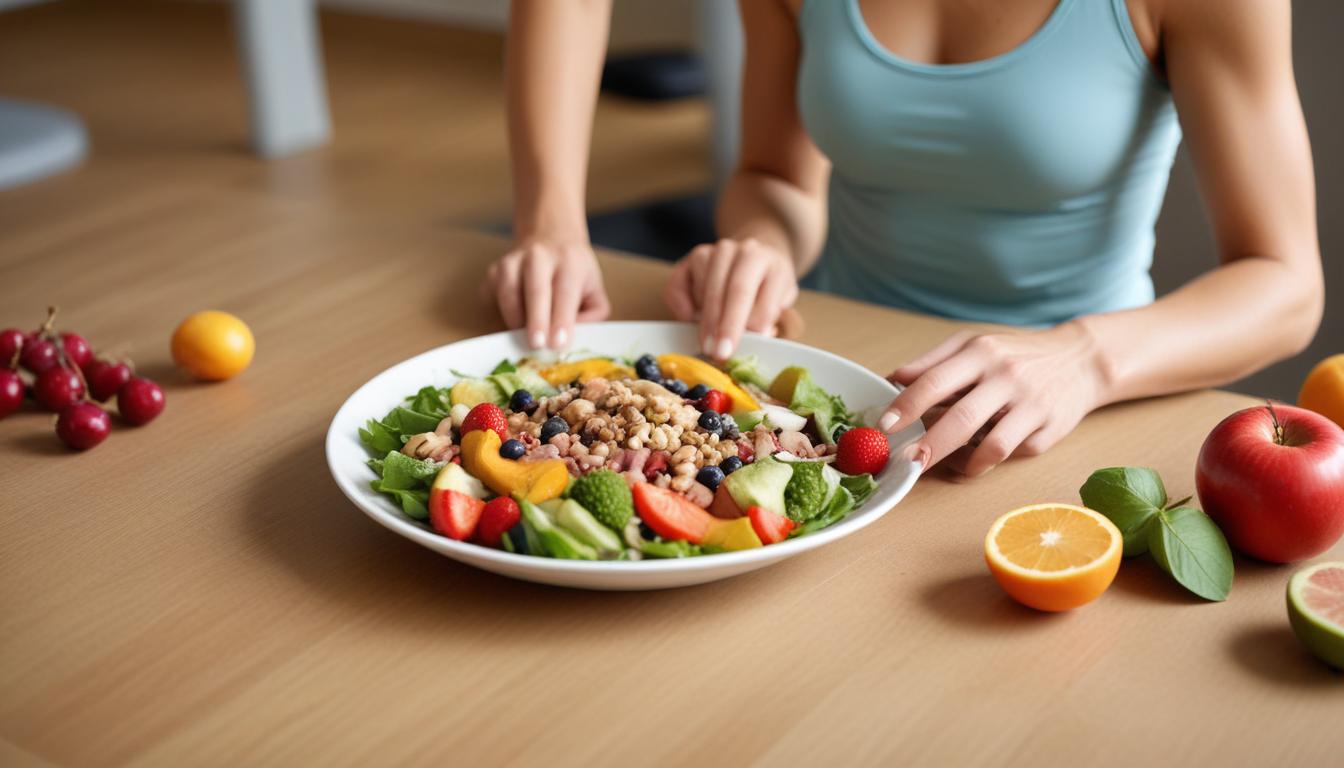
Meal prepping, once considered a Western fitness trend, has found a distinctly local expression. Weekend visits to neighbourhood markets in areas like Bukit Merah or Ang Mo Kio now serve double duty: shopping for the week *and* preparing components for quick weekday meals. Cooking a larger batch of brown rice or grilled fish on Sunday means healthier grabbing options throughout the week, especially crucial for those working near the CBD or in office parks along the ECP corridor.
The role of Singapore's polyclinic network cannot be understated. Free or low-cost consultations with dietitians at neighbourhood clinics have demystified nutrition, allowing locals to make informed choices tailored to their specific health conditions—whether managing blood pressure, diabetes risk, or simply wanting sustained energy.
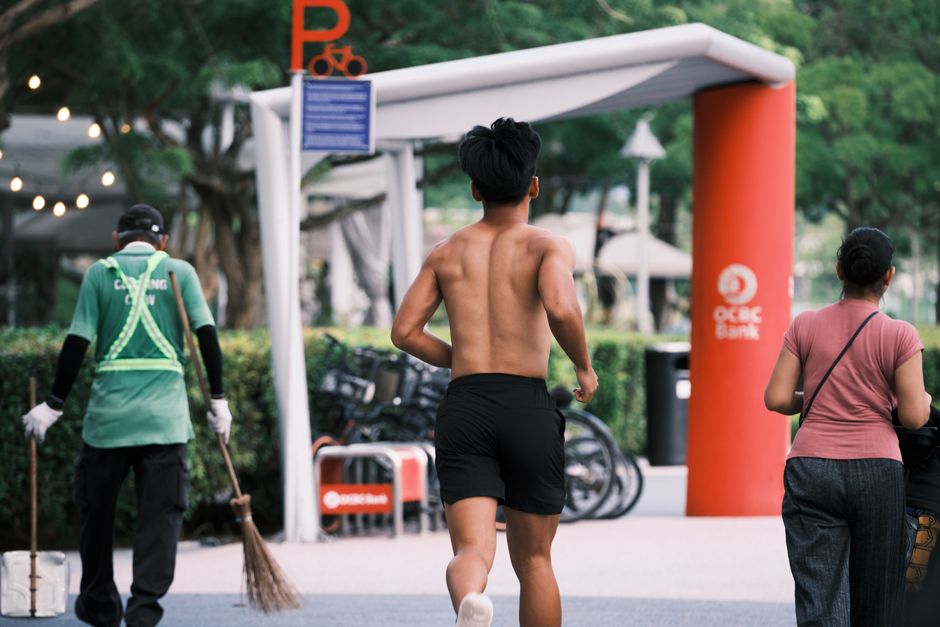
Perhaps most tellingly, the community sports culture around spaces like the Botanic Gardens and neighbourhood running groups has created accountability. When you're training with others, you're naturally motivated to fuel your body better.
These aren't revolutionary changes. They're modest, repeatable habits embedded into the rhythms of local life. And that's precisely why they stick.
This article was compiled by AI from the sources linked above and screened before publishing. See our editorial standards.