Wellness
The sleep revolution: How Singapore is finally taking rest seriously
From sleep clinics in Bukit Merah to corporate wellness programmes across the CBD, this island city is waking up to the science of better sleep.
3 min read
Wellness
From sleep clinics in Bukit Merah to corporate wellness programmes across the CBD, this island city is waking up to the science of better sleep.
3 min read
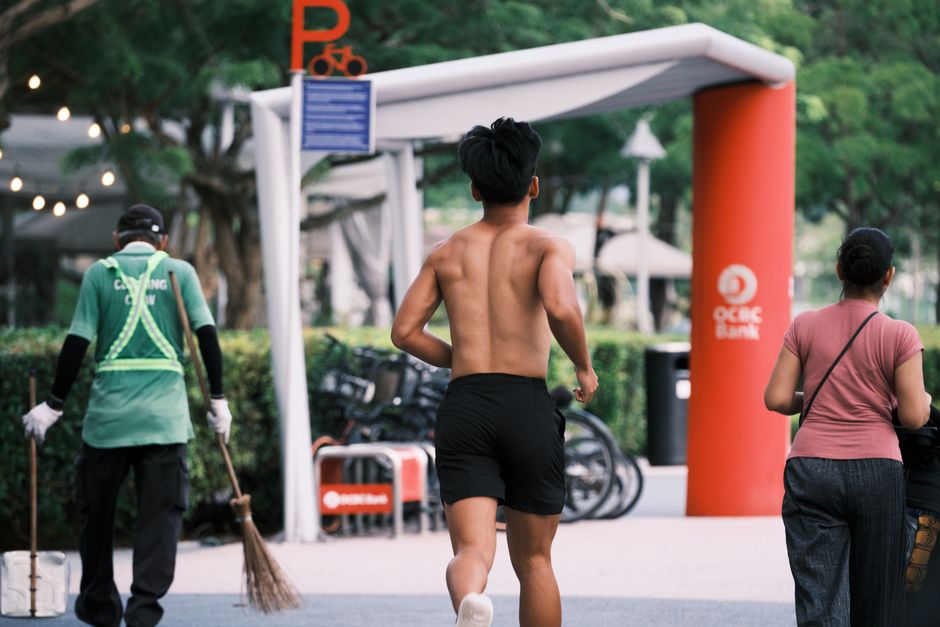
Walk past any shopping centre along Orchard Road these days, and you'll spot them: mattress showrooms, air-purifier retailers, and wellness clinics advertising sleep consultations. Five years ago, this would have been unthinkable in a city that once prided itself on the hustle. But Singapore's relationship with rest is shifting, quietly but decisively.
The numbers tell the story. According to local health surveys, nearly 40 per cent of Singapore's working population reports chronic sleep issues—a figure that mirrors global trends but carries particular weight in a city where the phrase "sleep is for the weak" once dominated professional culture. Now, that's changing.
At polyclinics across the island—from Clementi to Bedok—sleep clinics have expanded their services to address demand. The wait time for a sleep study at major public health facilities can stretch months, a sign of how many residents are finally seeking help. Private sleep medicine specialists in the CBD and around Mount Elizabeth are similarly busy, though consultations typically cost $200 to $400 per visit.
The trend extends beyond clinical settings. Fitness communities near the ECP and around the Botanic Gardens are incorporating recovery-focused sessions—yoga, meditation, and breathwork—into their evening programming. Several HDB community centres have quietly rolled out subsidised wellness talks on sleep hygiene, recognising that better sleep supports everything else: productivity, immunity, mental health.
Corporate Singapore is paying attention too. Mid-sized firms across the Financial District have begun offering wellness packages that include sleep tracking devices and access to apps designed to improve sleep quality. Some are even redesigning office spaces to include nap pods—a nod to both productivity science and cultural acceptance of rest as legitimate.
Hawker centres, those pillars of local culture, are evolving as well. Vendors near Tanjong Pagar and along Beach Road increasingly highlight lighter, earlier dinner options—recognising that heavy meals close to bedtime disrupt sleep. Some promote healthier beverage alternatives to caffeine-heavy teas in the evening.
What's driving this shift? Partly, it's globalisation of wellness knowledge. But it's also local: younger Singaporeans, many working hybrid schedules, are rejecting the burnout model their parents normalised. Mental health awareness campaigns have connected sleep deprivation to anxiety and depression. And perhaps most importantly, the pandemic normalised conversations about wellbeing that were once considered indulgent.
The sleep revolution isn't about luxury or laziness. It's about recognising what science has long confirmed: rest is productive. In a city that runs at maximum speed, that message is finally landing.
This article was compiled by AI from the sources linked above and screened before publishing. See our editorial standards.

Wellness

Wellness

Wellness
Wellness
About this article
Published by The Daily Singapore
Spread the word
Daily brief
Free, in your inbox before 7am. Weekdays.
The Daily Network — local news across Australia