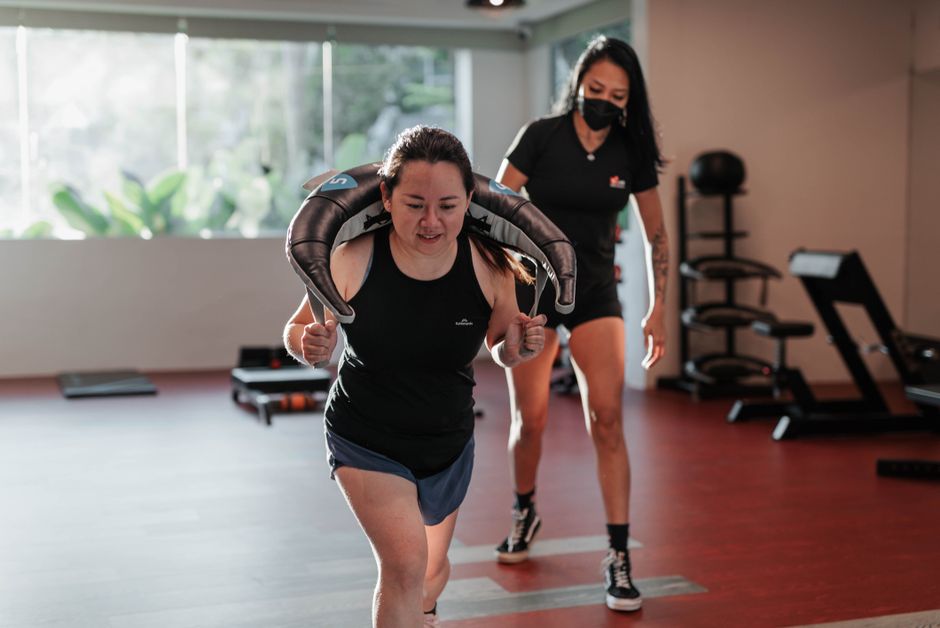
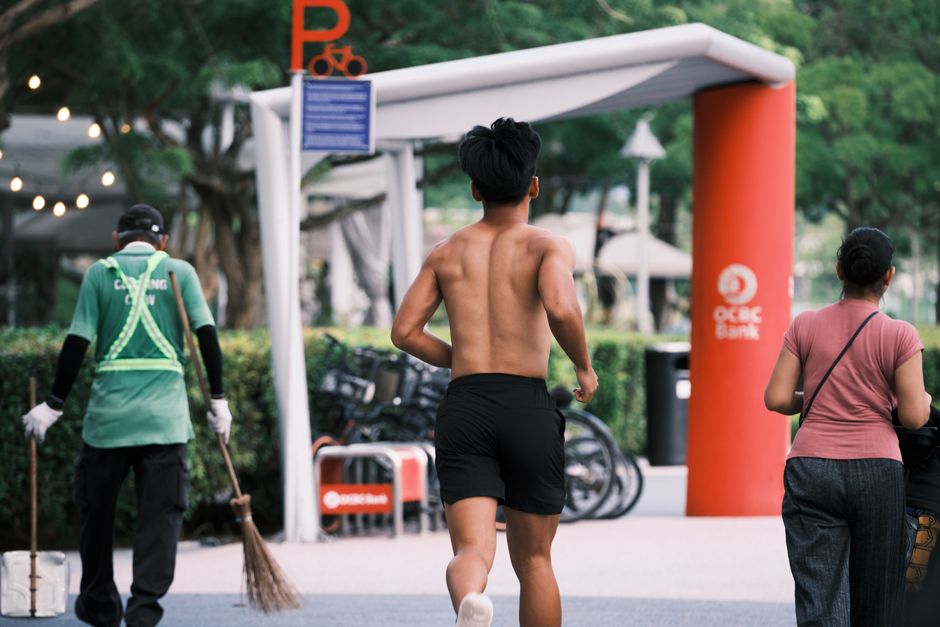
On Saturday mornings, the East Coast Park connector buzzes with activity. Joggers weave past cyclists, walkers pause at scenic lookouts, and informal running groups gather near the McDonald's at ECP Bedok to start their weekly loops. For many, these trails have become far more than exercise routes—they're gateways to profound lifestyle shifts.
The numbers tell a compelling story. Over the past three years, participation in community running events organised by SportSG and grassroots groups has grown by roughly 35 per cent, reflecting a nationwide enthusiasm for accessible outdoor fitness. The East Coast Park, spanning 15 kilometres, remains Singapore's most frequented running destination, but equally transformative stories are unfolding on quieter routes: the Botanic Gardens' 52-hectare expanse, the Kallang River Park connector, and neighbourhood HDB estate jogging tracks across Punggol, Toa Payoh, and Clementi.
What makes these spaces powerful isn't just their availability—it's their accessibility. Most residents live within 10 minutes of a community gym or designated running path. The Botanic Gardens charges just $0 entry during morning hours (before 7am), while HDB estate gyms remain free for residents. This removes the financial barriers that once gatekept fitness culture in Singapore.
Local polyclinics have begun prescribing outdoor activity more systematically. Healthcare professionals recognise that consistent low-impact running on park trails reduces stress hormones, improves cardiovascular markers, and builds community belonging—outcomes that often matter as much as the physical metrics. Participants frequently cite the social dimension: running groups at locations like Sentosa Island's trails or the Park Connector Network system foster accountability and friendship, particularly among those managing chronic conditions or recovering from periods of sedentary living.
The transformation stories cluster around three patterns. First, people discover that consistency matters more than intensity—a steady twice-weekly habit at Bukit Timah Nature Reserve or along the Jurong Lake connector yields sustainable results over months, not weeks. Second, community reduces shame; group participation at East Coast Park or through apps like Strava removes the isolation many feel starting fitness journeys. Third, familiar local environments—hawker centres near running routes, accessible water points, and well-lit evening trails—eliminate friction.
As Singapore ages and lifestyle diseases rise, these outdoor spaces function as preventative infrastructure. They're democratic, visible, and increasingly woven into neighbourhood identity. For those beginning health transformations, the answer isn't a premium membership or a specialised coach. Often, it's simply choosing a nearby trail, showing up consistently, and discovering you're not alone.
For personalised health advice, consult your nearest polyclinic or family physician.
This article was compiled by AI from the sources linked above and screened before publishing. See our editorial standards.