Singapore's Ministry of Health recorded a 32 percent rise in outpatient visits citing stress, anxiety or burnout at polyclinics between 2022 and 2025. That number is not abstract. It shows up in the waiting rooms at Queenstown Polyclinic on Margaret Drive, in the occupational health referrals at Tan Tock Seng Hospital, and in the corporate employee assistance programme caseloads at firms along Raffles Place. The city is under pressure, and the usual advice — meditate, journal, breathe — lands differently here, where a two-room HDB flat houses three generations and the MRT home from Jurong East arrives at 11 p.m.
The context matters more than people admit. Singapore sits roughly one degree north of the equator. Sustained heat above 32 degrees Celsius suppresses the prefrontal cortex's capacity to regulate emotion, according to a 2023 paper published in Nature Climate Change — the same brain region hammered by chronic workplace stress. Add a 2025 National University of Singapore survey finding that 48 percent of respondents under 35 reported feeling unable to "switch off" after work, and the urgency of finding approaches calibrated to this specific environment becomes obvious.
What the Evidence Actually Supports
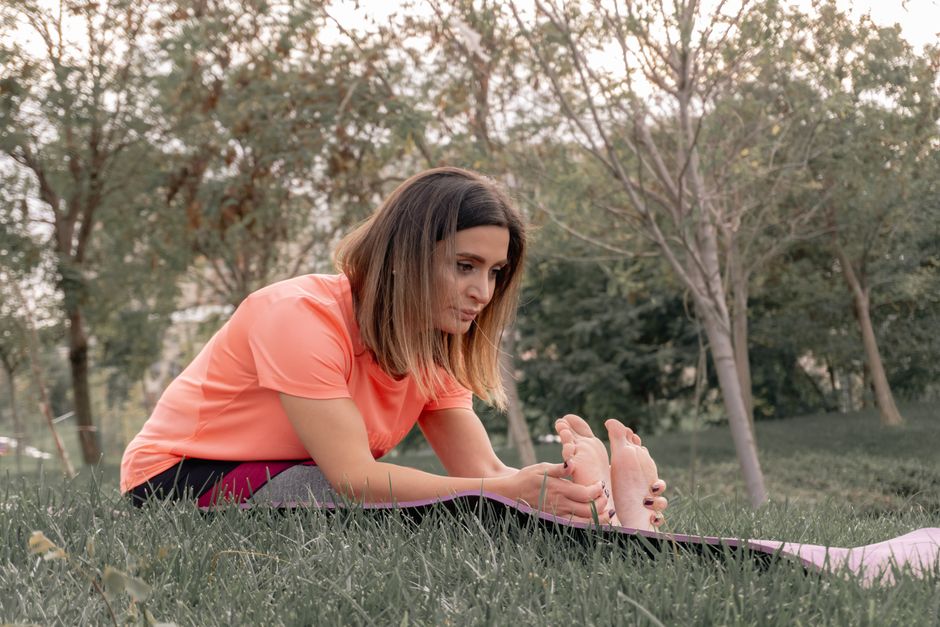
Start with movement, but make it practical. The East Coast Park connector — which runs nearly 15 kilometres from Marine Parade to Changi — is free, shaded in stretches, and open before sunrise. Research consistently shows that 20 to 30 minutes of moderate aerobic exercise reduces cortisol levels for up to several hours afterwards. The HDB Heartbeat @ Bedok community gym, which charges no entry fee for residents with a registered NRIC, offers climate-controlled equipment and group fitness slots bookable through the ActiveSG app. The Singapore Sports Council reported over 1.1 million ActiveSG gym visits in the first quarter of 2026 alone. The infrastructure is there. Using it consistently is the harder part.
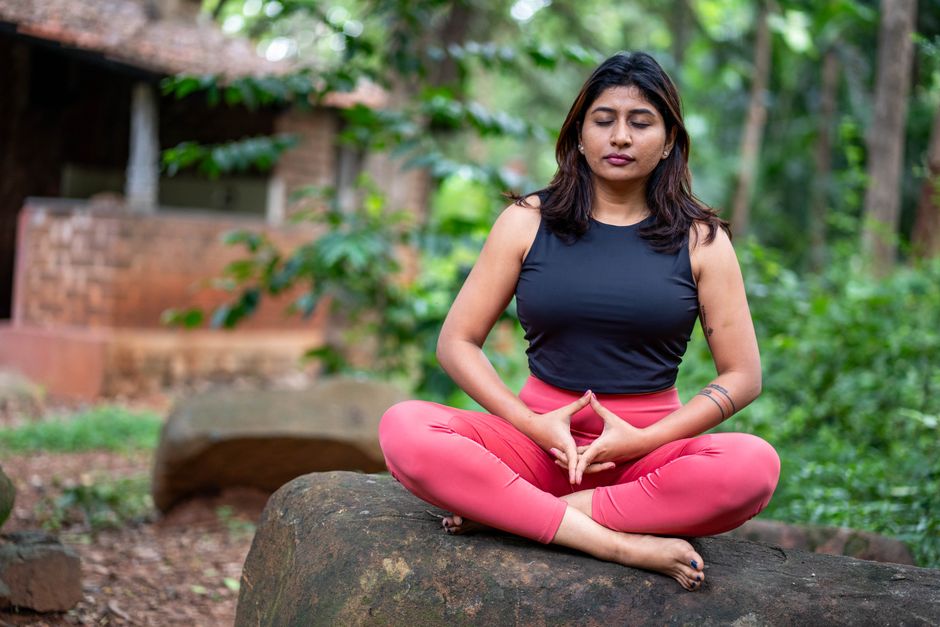
Mindfulness-based stress reduction — the structured eight-week programme first formalised by Jon Kabat-Zinn at the University of Massachusetts in 1979 — has been adapted by the Singapore General Hospital's Department of Psychiatry and is offered through its Mind Science Centre at Academia on College Road. Completion of the programme is associated with a 43 percent reduction in self-reported anxiety scores in local cohort studies. Sessions currently cost between S$480 and S$600 for the full course, with Medisave partial coverage available under the Enhanced Mental Wellness Scheme introduced in January 2026. That is not cheap, but it is cheaper than six months of unmanaged anxiety compounding into something worse.
For those who cannot commit to a course, the research on micro-breaks is genuinely encouraging. A 2024 study in Applied Psychology: Health and Well-Being found that five-minute walks in green spaces reduced psychological tension significantly more than equivalent rest periods indoors. The Singapore Botanic Gardens on Cluny Road offers free entry seven days a week before 8 a.m. Clementi Woods Park, less crowded and more central to western HDB estates, provides comparable canopy cover for residents in Bukit Timah and Jurong. Five minutes under tree cover, phone in pocket, has measurable physiological effect — reduced heart rate, lower skin conductance — even in humid conditions.
Social Connection Is Not Optional
Loneliness amplifies stress hormones. The science here is unambiguous. Singapore's Agency for Integrated Care runs the befriending and community outreach programme Silver Generation Connect, but parallel evidence suggests younger residents benefit equally from structured social engagement. Community clubs under the People's Association — there are over 100 across the island — run group activities from S$5 per session, including tai chi at Toa Payoh Central and community gardening plots at Bishan-Ang Mo Kio Park.
The practical closing point is this: consistency beats intensity. One long meditation retreat does less for chronic stress than 10 minutes of diaphragmatic breathing every weekday morning. The Singapore Mental Health Study, last published in full in 2022 and with updated findings expected later this year, will likely confirm what clinicians at the Institute of Mental Health on Buangkok Green already see — that adherence to small, repeatable behaviours is what separates people who manage stress from those who are managed by it. Start with what is walkable, affordable, and already exists in your neighbourhood. That is not a compromise. That is strategy.
This article is for general informational purposes. Consult a doctor or mental health professional at your nearest polyclinic or the Institute of Mental Health for personal medical advice.