Mindfulness is no longer a buzzword sold on a meditation app. A growing body of peer-reviewed research now links structured mindfulness-based stress reduction — MBSR, the eight-week clinical protocol developed at the University of Massachusetts in 1979 — to measurable changes in the prefrontal cortex, reduced cortisol output, and lower scores on standardised anxiety scales. The question for Singaporeans is no longer whether it works. It's how to access it without spending a small fortune.
The timing matters. The Singapore Mental Health Study, the most comprehensive national survey of its kind, found that one in seven residents here met the criteria for a mental health condition in the 2016 survey — a figure researchers expect the next full sweep to revise upward, given the compounding pressures of a post-pandemic labour market and a cost-of-living squeeze that has pushed median monthly household expenses past S$4,600. Stress, the precursor to clinical anxiety and depression, is the engine running underneath those numbers.
What the Research Actually Shows
The neuroscience is specific and increasingly hard to dismiss. A landmark 2011 Harvard Medical School study using MRI imaging found that participants who completed eight weeks of MBSR showed a statistically significant increase in grey matter density in the hippocampus — the region governing learning and memory — alongside a measurable shrinkage of the amygdala, which processes fear and stress responses. Participants practised roughly 27 minutes daily. The effect size was modest but reproducible across subsequent replications in labs in Germany, the Netherlands and South Korea.
More recent work published in JAMA Internal Medicine examined 3,515 adults across 47 randomised controlled trials and found mindfulness meditation programmes produced moderate improvements in anxiety, depression and pain. Crucially, the review noted the benefits held even when sessions moved online — relevant context for a city where 97 percent of households have broadband access and digital health uptake accelerated sharply after 2020.
Cortisol is the other strand researchers keep pulling. Chronic psychological stress drives cortisol levels high enough to suppress immune function, disrupt sleep architecture and accelerate cardiovascular risk. A 2023 meta-analysis in the journal Psychoneuroendocrinology — drawing on 41 studies — found MBSR and mindfulness-based cognitive therapy (MBCT) reduced morning salivary cortisol by an average of 14.5 percent in clinically stressed adults over eight weeks. That is a biochemical shift, not a subjective feeling.
Where to Start in Singapore
Singapore has more entry points than most residents realise. The Institute of Mental Health at Buangkok Green Medical Park runs structured MBCT programmes for patients already within the public health system, and referrals can come through any of the 24 polyclinics in the National Healthcare Group and SingHealth clusters — a GP visit copayment under the Community Health Assist Scheme starts at S$5 for eligible patients. For those not yet at clinical threshold, the National Council of Social Service funds Mindset — a community mental wellness initiative offering low-cost workshops in multiple languages at community centres across Toa Payoh, Jurong East and Bedok.
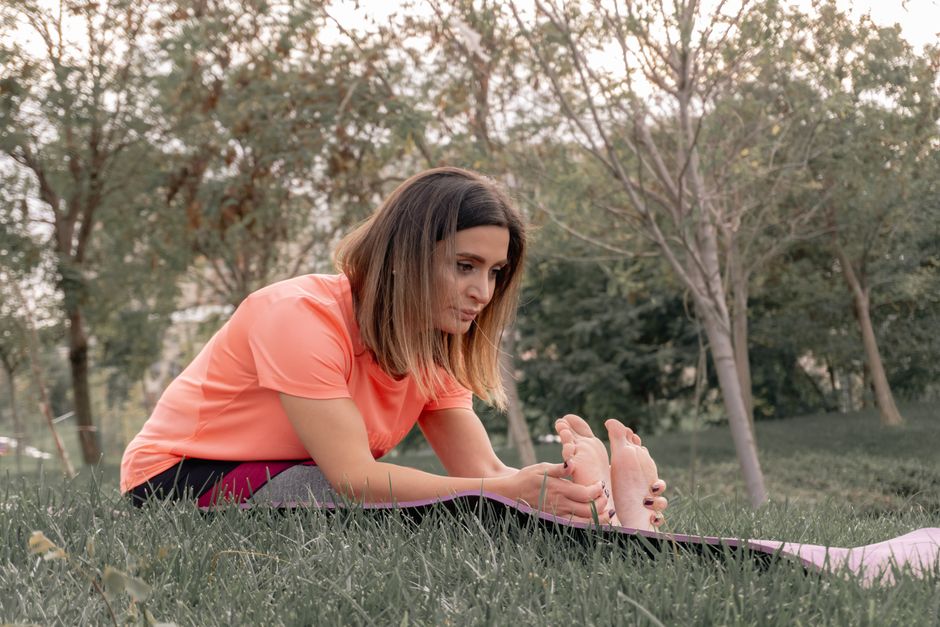
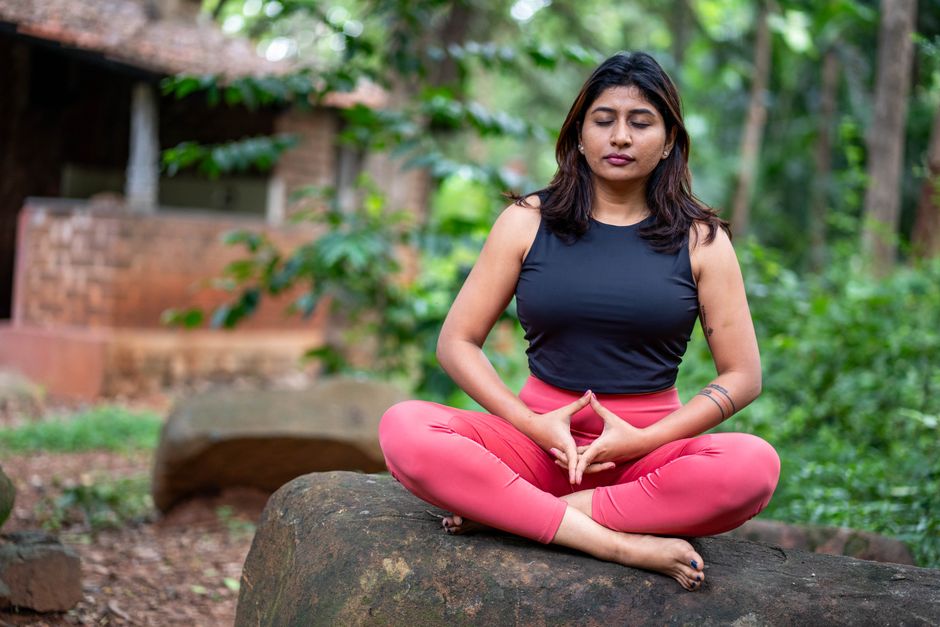
The built environment helps too. Research consistently shows that green-space exposure compounds the cortisol-reduction effects of mindfulness practice. The Singapore Botanic Gardens in Tanglin, free to enter seven days a week, has become an informal anchor for several grassroots running and walking meditation groups that meet on weekend mornings near the Eco Lake. East Coast Park's 15-kilometre coastal path draws similar communities. Neither requires an app subscription.
The practical calculus for anyone curious is straightforward. Start with a free resource — the Health Promotion Board's National Steps Challenge infrastructure already nudges Singaporeans toward daily movement, and its Eat, Drink, Shop Healthy Challenge partners include hawker centres at Chinatown Complex and Maxwell Food Centre where affordable, lower-glycaemic meals support the stable blood sugar that underpins mood regulation. Stack a ten-minute body-scan practice, freely available through the IMH's online resources, onto an existing morning routine before escalating to paid programmes. If symptoms are persistent or worsening, a polyclinic appointment remains the most direct route to a professional assessment tailored to your specific history.