More than half of Singapore employees — 58 percent, according to the 2025 Cigna International Health study — reported feeling burned out in the past year. That number has barely budged in three years. What has changed, quietly and without much fanfare, is how a growing number of residents are responding to it: not with expensive retreats or apps, but with cheap, repeatable, hyper-local habits stitched into the fabric of a regular Tuesday.
The shift matters right now because Singapore's mental health infrastructure is under real strain. Waiting times at Institute of Mental Health outpatient clinics stretched to eight weeks for non-urgent appointments in early 2026. Meanwhile, the National Mental Health and Well-being Survey released in late 2024 found that one in seven residents aged 18 and above met the criteria for a mental disorder in the preceding 12 months. The polyclinic network has expanded its mental health nurse support programme to all 24 clinics as of January 2026, but demand continues to outpace supply. Filling the gap, at least partially, are the small daily structures people are building for themselves.
HDB estate gyms, now available free of charge at more than 100 void-deck and precinct facilities across towns including Tampines, Punggol and Jurong West, have attracted a different kind of regular. These are residents who cannot afford a $120-per-month gym membership but have discovered that 30 minutes on a resistance machine before dinner works better, for their mood, than scrolling after dinner. The ActiveSG network, which runs 26 swimming pools and dozens of sport centres islandwide, reported a 22 percent rise in off-peak morning visits between January and May 2026, driven largely by adults aged 30 to 49.
Mindfulness Without the Marketing
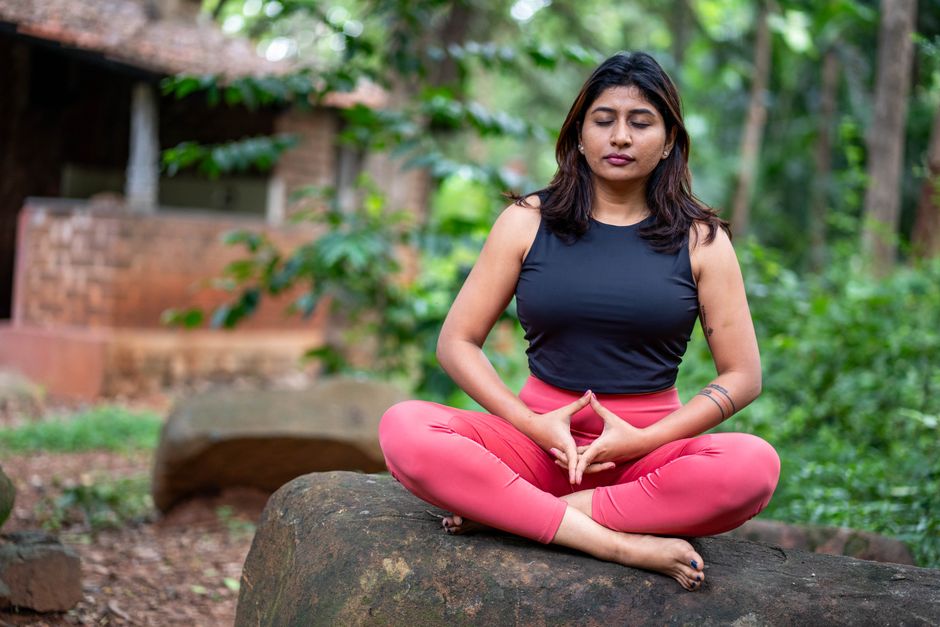
Structured mindfulness has also found its footing in very un-spa-like settings. Brahm Centre, a non-profit operating out of premises in Bedok and Woodlands, runs eight-week Mindfulness-Based Stress Reduction courses for $80 — significantly below the $400-plus charged by private wellness studios in Telok Ayer and Robertson Quay. Attendance at Brahm Centre's programmes rose 35 percent in the first quarter of 2026 compared to the same period in 2024.
At the neighbourhood level, the habit most commonly reported by Singaporeans who describe their mental health as stable is deceptively simple: a deliberate, phone-free meal. Hawker centres — Maxwell Food Centre in Tanjong Pagar, Old Airport Road Food Centre in Mountbatten — provide the setting. The practice is just sitting with the food, without a screen, for 20 minutes. Occupational therapists at National University Hospital's stress management programme have been recommending exactly this since 2023, describing it as a low-barrier entry point into present-moment awareness.
Experts at the Singapore Association for Mental Health recommend pairing any new habit with an existing anchor — a bus commute, a lunch break, the time between closing a laptop and starting dinner. The science behind this approach, called habit stacking, suggests it dramatically improves consistency. Starting with two minutes, not twenty, is the other consistent advice from counsellors at Care Corner Singapore, which operates a 24-hour helpline at 1800-353-5800. The threshold for beginning matters far more than the duration.
None of this replaces clinical care. Residents managing anxiety, depression or significant occupational stress should speak to a GP or visit their nearest polyclinic, where a mental health nurse referral can now be made on the same day. But for the majority navigating the grinding background noise of a high-pressure city, the evidence increasingly points in the same direction: small, consistent, free and local.