Mindfulness classes in Singapore are quietly selling out. Waitlists for structured eight-week Mindfulness-Based Stress Reduction courses — the gold-standard programme developed at the University of Massachusetts in 1979 — stretched to six weeks at several private wellness studios in Tanjong Pagar and Orchard Road by the middle of this year. That is not a coincidence. It is a shift.
The timing matters. A 2025 Institute of Mental Health survey found that one in three Singapore residents reported significant psychological distress in the previous 12 months, up from roughly one in four in the 2016 national study. Work pressure, cost-of-living anxiety and the lingering behavioural hangover from pandemic-era isolation are all cited by mental health practitioners as contributing factors. The Ministry of Health has acknowledged the trend and folded stress management support into the 2025 Healthier SG polyclinic framework, which means residents registered with a family doctor at clinics like Queenstown Polyclinic or Tampines Polyclinic can now access basic psychological wellness referrals under their subsidised care plan.
Pavements, Parks and the Practice of Presence
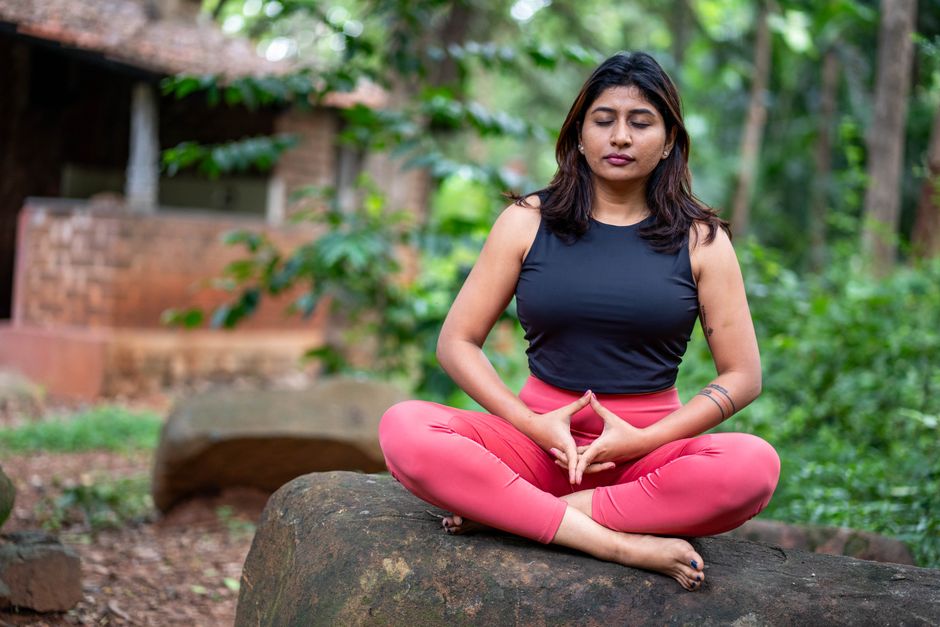
The Singapore Botanic Gardens at Cluny Road has become an unlikely anchor point for the city's outdoor mindfulness scene. Every Saturday morning from 7am, the non-profit Brahm Centre runs guided walking meditation sessions near the Bandstand. Spots fill within 48 hours of each week's booking window opening. The sessions are free, though a $10 suggested donation goes toward Brahm Centre's subsidised mental wellness programmes for seniors in the Ang Mo Kio and Bishan heartlands.
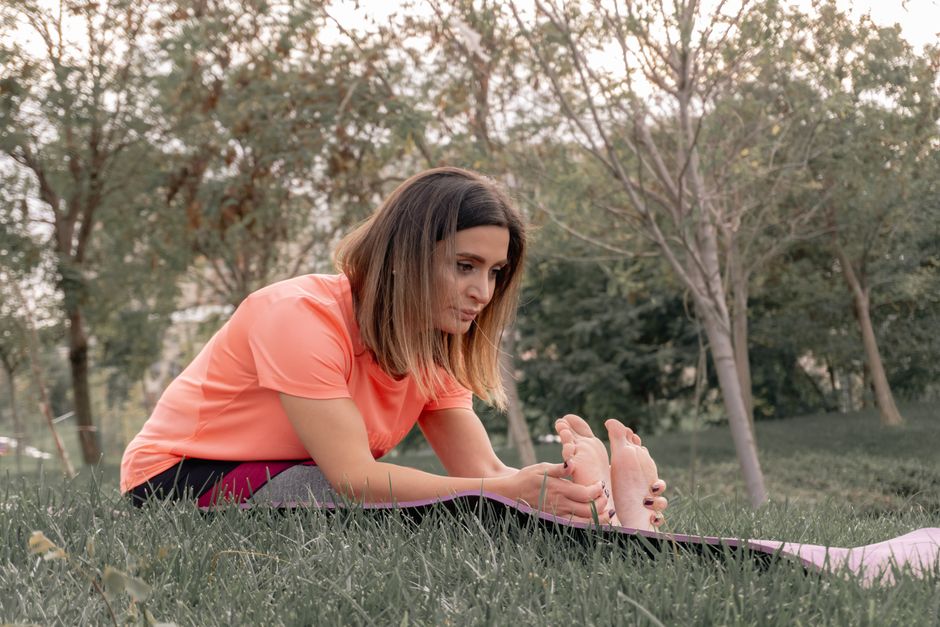
Along the East Coast Park cycling path, a different crowd gathers. Several informal groups use the beachfront stretch between the Bedok Service Centre and Marine Cove for breath-focused running — a practice sometimes called mindful jogging, where participants deliberately slow their pace and synchronise attention to footfall and breathing rather than pace targets. It has no official organiser, no registration fee, and no app. Word spreads through Telegram group chats. That organic quality is precisely what its regulars value about it.
Corporate Singapore has noticed. The Singapore Human Resources Institute reported in its 2025 Workplace Wellbeing Index that 61 percent of mid-to-large employers now offer some form of structured mental wellness benefit — up from 44 percent in 2022. Several companies at Marina Bay Financial Centre have contracted third-party providers to run lunchtime body-scan meditation sessions in unused meeting rooms. One provider, Intellect, a Singapore-founded digital mental health platform, reported a 38 percent increase in corporate subscriptions between January and May 2026.
Accessing Support Without the Premium Price Tag
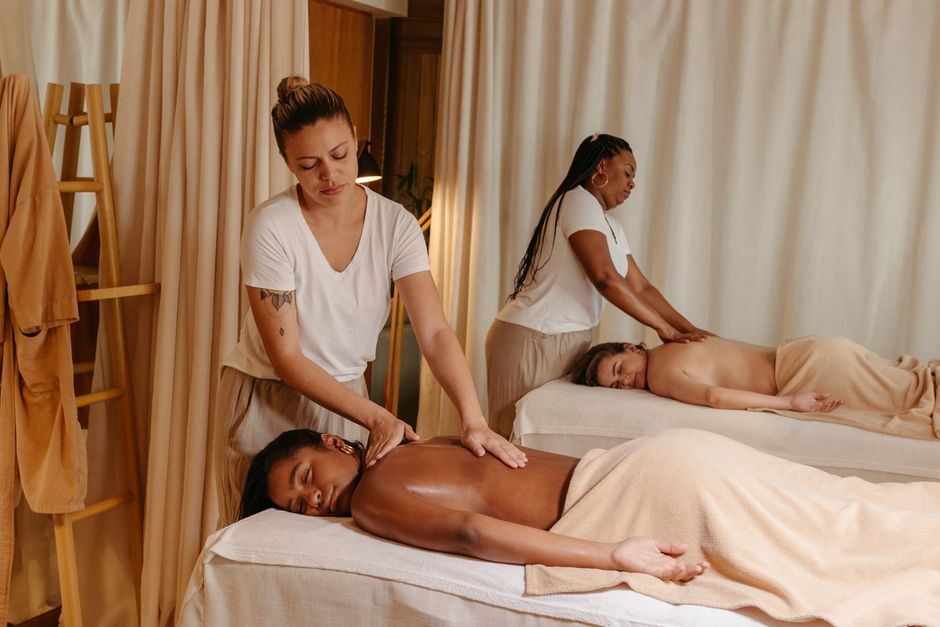
Cost remains the friction point for many residents. A private mindfulness course at a studio in Dempsey Hill can run to $350 or more for eight weeks. That is out of reach for a significant portion of the population. The gap is real, and community infrastructure is scrambling to fill it.
The People's Association runs low-cost stress management workshops through its Community Clubs network — a six-session programme at Jurong West CC costs $30 for Singapore citizens. The National Council of Social Service has also funded expanded mental health first aid training at selected Family Service Centres, including the Toa Payoh FSC, equipping frontline social workers to spot burnout and anxiety before they escalate.
For those who want to start without spending anything, the HDB estate fitness corners and community gyms — free to all residents since the Sport Singapore scheme rolled them into the ActiveSG network — offer a practical entry point. Exercise remains one of the most evidence-backed interventions for mild to moderate anxiety, and the infrastructure for it exists in virtually every neighbourhood.
The clearest practical advice, according to mental health professionals at the IMH, is consistency over intensity. Ten minutes of focused breathing daily produces measurable changes in cortisol regulation within eight weeks, according to peer-reviewed research published in the journal Psychoneuroendocrinology. Residents uncertain where to start should speak to their family doctor at a polyclinic under Healthier SG — that conversation is now a legitimate and subsidised first step. Singapore's mental wellness infrastructure is more accessible than many people realise. The harder task is deciding to use it.