Mindfulness in Schools: What Local Programs Are Available
As mindfulness practices gain popularity worldwide, Singapore's schools are incorporating these techniques to improve students' mental well-being, with various programs available across the island.
This article was generated by AI from the linked public sources. The Daily Singapore is independently owned and covers Singapore news free from advertiser or sponsor influence. Read our editorial standards →
Some 20 primary and secondary schools in Singapore have introduced mindfulness programs as part of their curriculum, aiming to equip students with essential life skills to manage stress and anxiety.
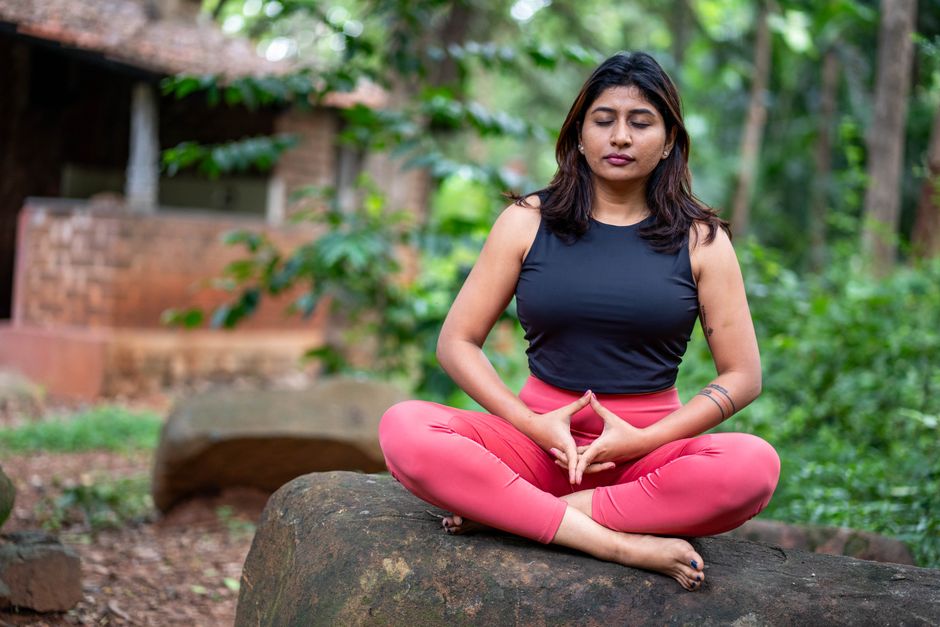
The importance of mindfulness in schools cannot be overstated, especially in today's fast-paced and competitive environment. With the pressure to perform academically, coupled with the demands of social media and extracurricular activities, students are facing unprecedented levels of stress. Mindfulness practices, such as meditation and deep breathing, have been shown to have a positive impact on both mental and physical health, making them an essential tool for students to navigate the challenges of modern life.
Local Initiatives
In Singapore, organizations such as the Singapore Buddhist Welfare Services and the Brahm Centre are working with schools to implement mindfulness programs. For instance, the Singapore Buddhist Welfare Services has partnered with schools like Ang Mo Kio Secondary School and Bartley Secondary School to offer mindfulness workshops and classes. Meanwhile, the Brahm Centre has collaborated with schools like CHIJ St Nicholas Girls' School and Catholic High School to provide mindfulness training for teachers and students. These programs are often held at community centers, such as the Toa Payoh West Community Club or the Tiong Bahru Community Centre, making them easily accessible to students and teachers alike.
According to data from the Ministry of Education, some 80% of schools in Singapore have reported a significant reduction in student stress levels after implementing mindfulness programs. Furthermore, a study conducted by the National University of Singapore found that students who practiced mindfulness regularly showed improved cognitive function and better emotional regulation. With the cost of implementing these programs relatively low, at around $500 per school, it is an investment that many schools are willing to make. In fact, the Ministry of Education has allocated $1.5 million to support the implementation of mindfulness programs in schools over the next two years, starting from January 2026.
For parents and educators looking to introduce mindfulness practices into their schools, there are several resources available. The Ministry of Education's website provides a list of approved mindfulness programs and training providers, while organizations like the Singapore Buddhist Welfare Services and the Brahm Centre offer workshops and classes for teachers and students. Additionally, community centers like the one on Thomson Road and the Singapore Sports Hub offer mindfulness classes and workshops that are open to the public. By working together, we can help our students develop the essential life skills they need to thrive in today's fast-paced world.
Covering wellness in Singapore. This article was generated by AI from the linked sources and was not reviewed by a human editor before publishing. See our editorial standards.