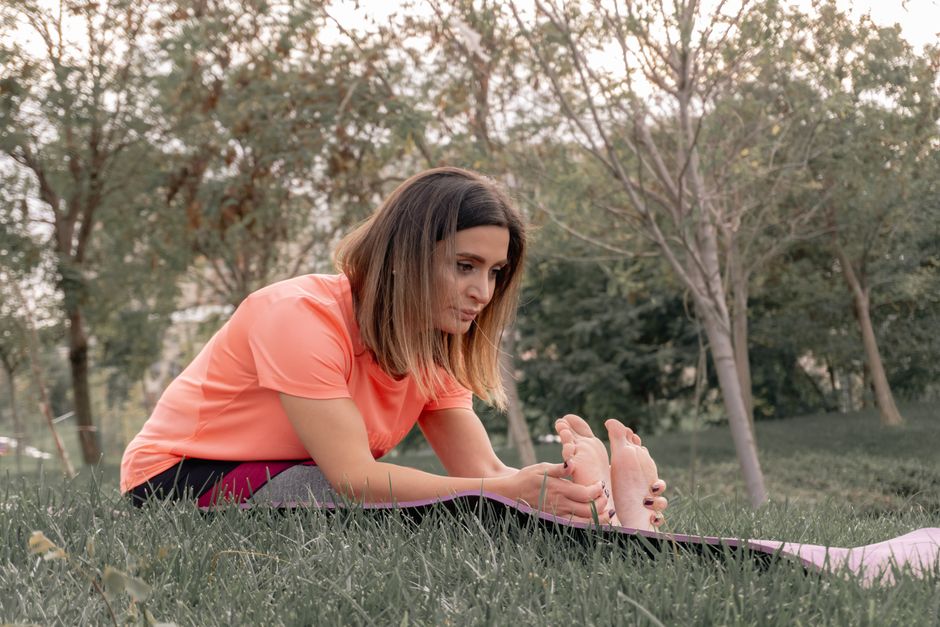
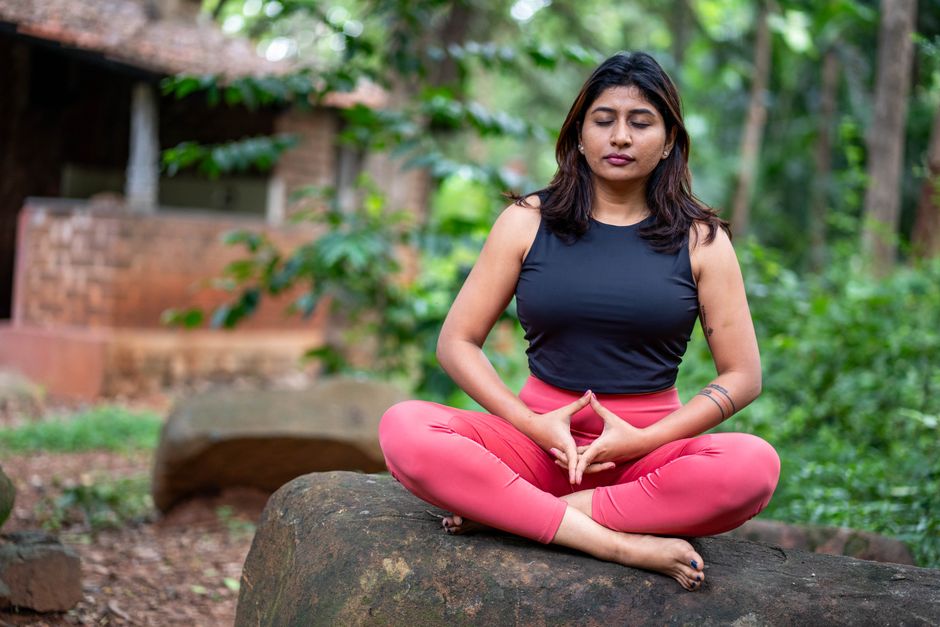
The average Singaporean walks roughly 4,500 steps a day, according to a 2023 analysis published in the journal Nature that tracked 46 countries by smartphone data. Most of those steps happen on autopilot — staring at a phone screen between Bishan MRT and the office, or marching through Tampines Hub with earbuds in. Walking meditation flips that entirely, turning the commute or the after-dinner stroll into a structured mental reset that researchers say can reduce anxiety markers as effectively as seated mindfulness in short-term trials.
The timing matters. Global heat records are falling across multiple continents this northern summer, and public health researchers have spent recent months reinforcing what Singapore's own Health Promotion Board has flagged for years: chronic stress compounds heat-related physiological strain. Mindfulness practices that lower cortisol — the body's primary stress hormone — are gaining renewed clinical attention. Walking meditation, which requires no equipment, no subscription fee and no gym slot, sits at the intersection of physical movement and mental health intervention in a way that fits neatly into an already exercise-minded city.
Where to Actually Do It in Singapore
The East Coast Park Connector, which runs more than 15 kilometres from Marina Barrage toward Changi, is arguably the most practical stretch for a weekday walking meditation session. The path is flat, the planting buffers road noise reasonably well between Bedok and Siglap, and the 6am to 7am window before school-run cyclists take over offers a reliable half-hour of manageable crowd density. The Singapore Botanic Gardens remains the gold standard — the Eco Lake loop near Cluny Road entrance is just over one kilometre and almost entirely shaded by mature rain trees, making it usable even in the 32-degree July humidity.
The Brahm Centre, a Singapore-registered charity that runs structured mindfulness programs out of offices in Bishan and Tampines, introduced a dedicated walking meditation module into its eight-week Mindfulness-Based Stress Reduction course in January 2025. The MBSR course itself runs at $480 for the full eight sessions, with means-tested subsidies available for lower-income participants. The centre's facilitators teach a specific technique: walk at roughly one-third of your normal pace, synchronise breath with footfall, and anchor attention to the physical sensation of the heel striking ground before rolling forward through the arch and toes.
That anchor point — the foot, not the breath — is intentional. Jon Kabat-Zinn, who developed MBSR at the University of Massachusetts Medical School in 1979, described walking meditation as particularly useful for people who find seated breath-focus produces more anxiety than it relieves. For Singaporeans already logging time in HDB estate gyms or heading to free fitness corners maintained by Sport Singapore across more than 100 public parks, adding a slow, deliberate ten-minute walking segment before or after exercise costs nothing and requires no scheduling.
How to Start Without Overthinking It
The practice is simpler than most guided apps suggest. Pick a short, familiar route — the loop around Bishan-Ang Mo Kio Park's lower pond works well, as does the Heritage Road stretch inside the Botanic Gardens. Leave the earbuds out. Set a ten-minute timer. Walk slowly enough that the motion feels deliberate but not theatrical. Notice the ground texture changing from concrete to gravel to grass. When your mind pulls toward a work problem or a grocery list, treat that as a normal event and return attention to the soles of your feet.
Psychologists at the National University of Singapore's Department of Psychology published a local study in 2024 finding that brief outdoor mindfulness walks of eight to twelve minutes produced measurable short-term improvements in self-reported mood among a sample of 180 working adults in the Central Business District area. The effect held even on overcast days, suggesting that greenery and reduced visual clutter mattered more than sunlight exposure alone.
A polyclinic referral is not required to start. But anyone dealing with clinical anxiety or depression should speak to a doctor at one of Singapore's 24 polyclinics before treating any wellness practice as a substitute for medical care. For the rest — stressed, distracted and already walking somewhere anyway — the next ten minutes could be the beginning of something more deliberate.