wellness
Singapore Embraces Breathwork Science: Four Techniques Transform Your Day
Breathwork has gone from fringe wellness ritual to mainstream health tool worldwide, and Singaporeans are quietly discovering what the science has been saying for years.
How we reported this
Four deliberate breaths. That is the minimum effective dose, according to a body of research on respiratory interventions, that can measurably shift the nervous system out of a stress response. Not a 45-minute yoga class. Not a $280 float tank session. Four breaths, done correctly, in under two minutes. The question for Singapore in mid-2026 is why it took this long for the idea to land here with any real force.
Global wellness spending crossed US$6 trillion in 2023, according to the Global Wellness Institute, and breathwork sits near the top of growth categories for 2025 and 2026, outpacing cold plunge therapy and sensory deprivation in consumer search data. London's Wim Hof studios are full on weekday mornings. New York's BreathLab opened a second Manhattan location in March 2026. Singapore, with its pressure-cooker work culture and some of the longest average working hours in the developed world, a 2023 Ministry of Manpower survey found full-time employees logged an average of 45.1 hours per week, has every reason to be ahead of this curve. It is getting there, slowly.
What the Four Breaths Actually Do
The four techniques most consistently supported by peer-reviewed research are box breathing, the physiological sigh, 4-7-8 breathing, and alternate nostril breathing, each targeting a different physiological mechanism. Box breathing, used by the US Navy SEALs and formalised in a 2023 Stanford study led by Dr Andrew Huberman's lab, involves inhaling for four counts, holding for four, exhaling for four, holding for four. The physiological sigh, two sharp inhales through the nose followed by a long exhale through the mouth, deflates collapsed alveoli in the lungs and produces a faster drop in cortisol than any other single respiratory technique tested in that same Stanford paper. The 4-7-8 method, popularised by integrative medicine physician Dr Andrew Weil in the early 2000s but validated more rigorously in a 2022 Frontiers in Psychology trial, slows the heart rate enough to be measurable on a standard pulse oximeter within 60 seconds. Alternate nostril breathing, drawn from pranayama tradition, has shown statistically significant reductions in systolic blood pressure in trials conducted as recently as 2024 at the All India Institute of Medical Sciences.
None of these require equipment, a gym membership, or even a quiet room, which matters enormously in a city where a one-bedroom flat in Toa Payoh or Tampines gives you roughly 50 square metres to yourself.
Where Singapore Is Picking This Up
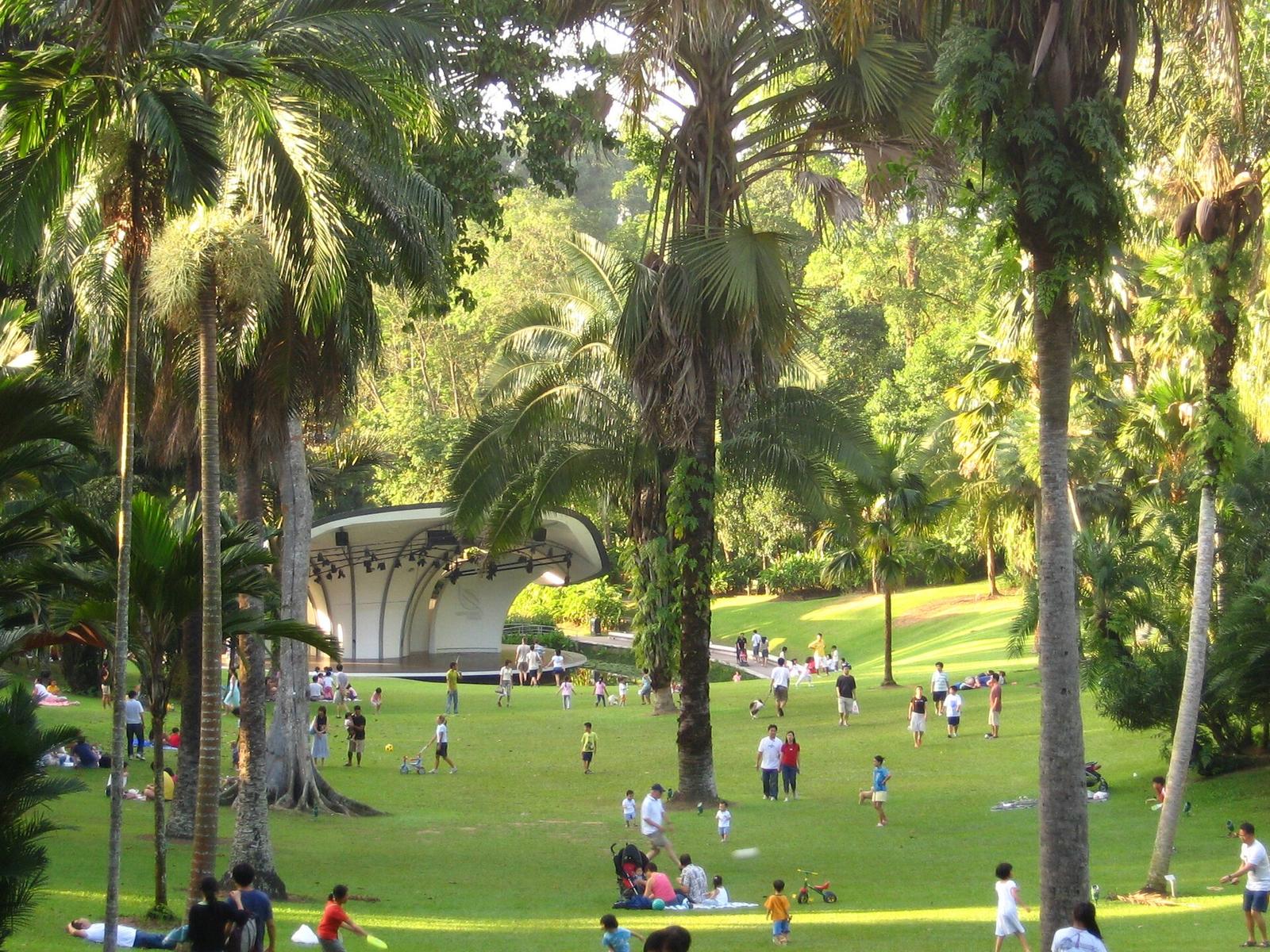
The uptake here is patchy but real. The National Parks Board introduced a guided breathwork segment into its Sunday morning Therapeutic Walks at the Singapore Botanic Gardens in January 2026, drawing between 40 and 60 participants each session. The Health Promotion Board's Healthier SG programme, which enrolled more than 1.2 million residents in its first two years after launching in 2023, added stress management modules to polyclinic consultations in late 2025, some of which include breathing technique handouts. Private operators are moving faster. Brahma Kumaris on Clemenceau Avenue runs free lunchtime meditation sessions that incorporate breath awareness, and at least three corporate wellness vendors working the Raffles Place and Marina Bay office belt now offer on-site breathwork as a standalone product, priced typically between $15 and $30 per employee per session.
The East Coast Park corridor has quietly become a testing ground too. On weekend mornings between 6am and 8am, several informal groups practise pranayama on the grass stretches near the carpark C area, no instructor, no fee, no app required.
For anyone wanting to start without leaving the neighbourhood, the formula is straightforward. Try the physiological sigh before your next meeting: two sharp nasal inhales, then a slow mouth exhale lasting six to eight seconds. Do it twice. Your heart rate will drop within about 30 seconds. Box breathing works better for sustained focus, four counts on each phase, repeated four times, takes exactly 64 seconds. Neither replaces a consultation with a doctor if you are managing a respiratory or cardiovascular condition; the polyclinic network under Healthier SG is the right first stop for anyone in that situation. But for the ordinary midday cortisol spike that most working Singaporeans know intimately, the evidence is clear enough. The reset is free, and it fits between two MRT stops.