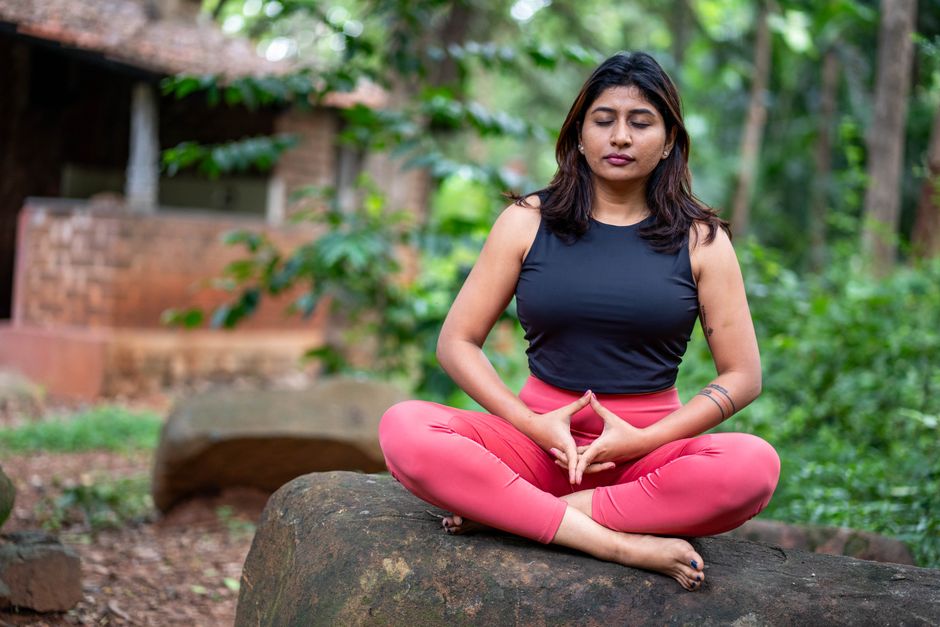
Mindfulness meditation physically reshapes the brain. That is no longer a fringe claim from wellness retreats — it is the conclusion of peer-reviewed imaging studies that have tracked meditators over weeks and months, measuring measurable changes in grey matter density and cortical thickness. For a city where the Health Promotion Board's 2025 National Population Health Survey found that 4 in 10 Singapore residents report moderate to high perceived stress, the science lands with particular weight.
The timing matters. Global temperatures are breaking historical records, urban density is intensifying, and the post-pandemic blur between work and home life has not fully resolved for many professionals here. Singaporeans are sleeping less — the Sleep Health Foundation's regional data puts the average adult here at around 6.3 hours a night, below the clinically recommended seven to nine. Against that backdrop, interest in structured mindfulness programmes has spiked at polyclinics and community health centres across the island.
What the Research Actually Shows
The most cited body of work comes out of Harvard Medical School, where researcher Sara Lazar published MRI findings showing that long-term meditators had measurably thicker cortex in the prefrontal cortex and right anterior insula — regions tied to attention, interoception and emotional regulation. A separate 2023 meta-analysis published in Neuroscience and Biobehavioral Reviews, drawing on 78 studies, confirmed consistent reductions in amygdala reactivity after as few as eight weeks of regular practice. The amygdala is the brain's threat-detection hub. Quieting it is not a metaphor. It is a structural and functional shift.
Cortisol, the primary stress hormone, also drops. A randomised controlled trial published in Psychoneuroendocrinology in late 2024 found that participants completing a Mindfulness-Based Stress Reduction programme — the eight-week protocol developed by Jon Kabat-Zinn at the University of Massachusetts in 1979 — showed a 14 percent reduction in morning cortisol compared to a waitlist control group. Default mode network activity, the brain's restless self-referential chatter that drives rumination, also shows measurable dampening in experienced meditators.
Where to Start in Singapore
The good news for anyone curious but short on time is that access here is genuinely broad. The Agency for Integrated Care runs a Mind Matters programme delivered through community touch points including Geylang Serai Community Club and Tampines Hub, with introductory mindfulness sessions free to residents holding a NRIC. The National University Hospital's Mind Science Centre at Kent Ridge Road offers structured MBSR cohorts at subsidised rates from $120 for the full eight-week course — a fraction of what private studios in Orchard or Tiong Bahru charge for the equivalent programme.
For those who prefer to start outdoors, the Botanic Gardens along Cluny Road has become an informal backdrop for early-morning mindfulness walks, particularly around the Healing Garden section near Tyersall Avenue. Community running groups at East Coast Park, where the path between the D'Resort stretch and Lagoon Food Centre spans a relatively quiet 3.5km, have started incorporating two-minute body-scan exercises at rest points — a nod to growing mainstream acceptance of the practice among recreational fitness communities.
Apps remain a useful on-ramp. Insight Timer, which is free, has more than 200,000 guided meditations and shows Singapore as one of its top-ten user markets in Southeast Asia. A ten-minute daily session, consistent research suggests, is enough to produce measurable changes in attentional control within three weeks.
The practical threshold is lower than most people assume. You do not need a cushion, a class or a certificate. You need about ten minutes, a relatively quiet spot — a void deck works, a hawker centre between the lunch and dinner rush works — and a willingness to sit with discomfort rather than immediately scroll past it. The brain, it turns out, responds to that invitation faster than scientists once believed. Consult a polyclinic doctor or a registered psychologist if you are managing clinical anxiety or depression before starting a formal programme.