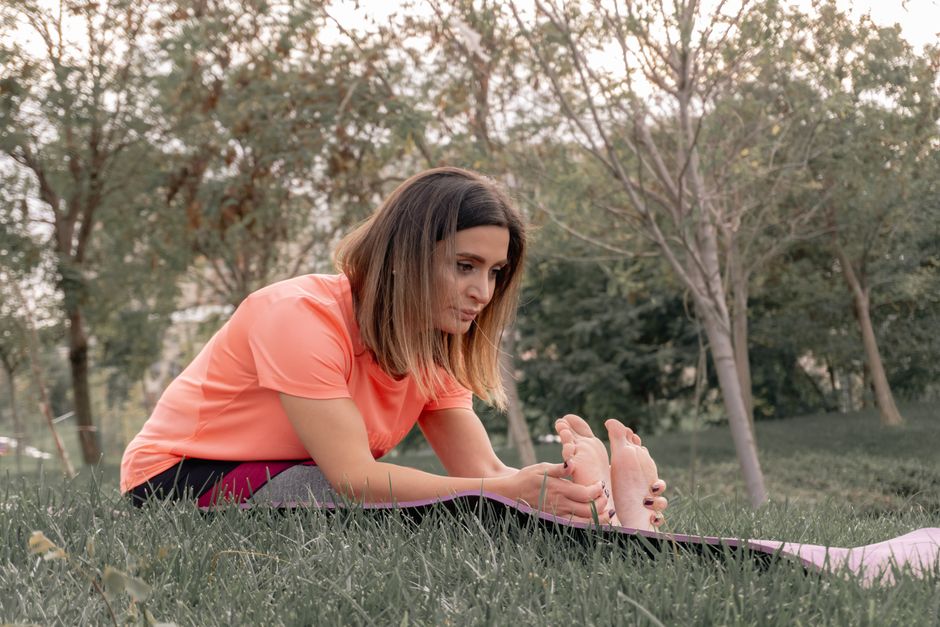
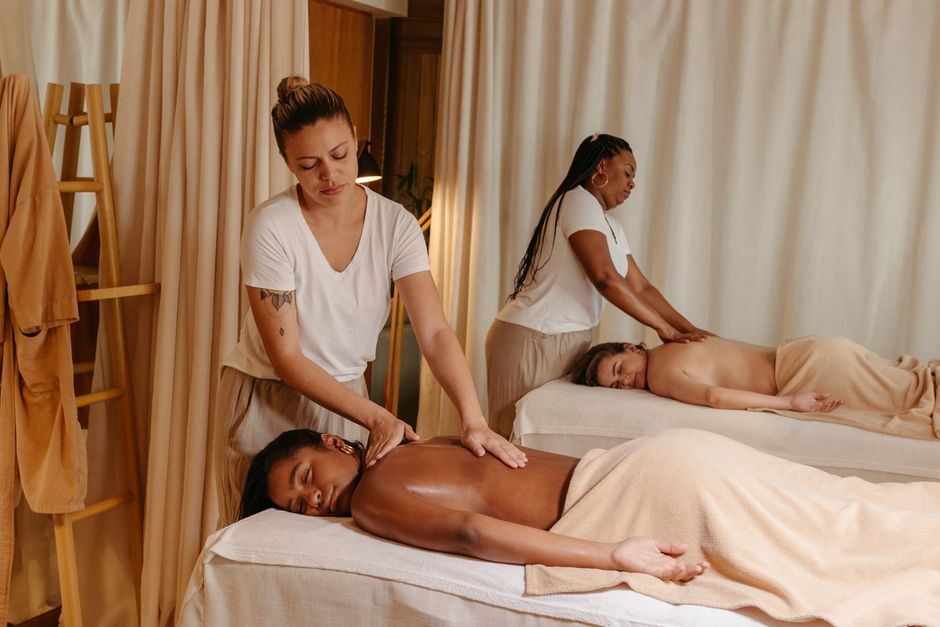
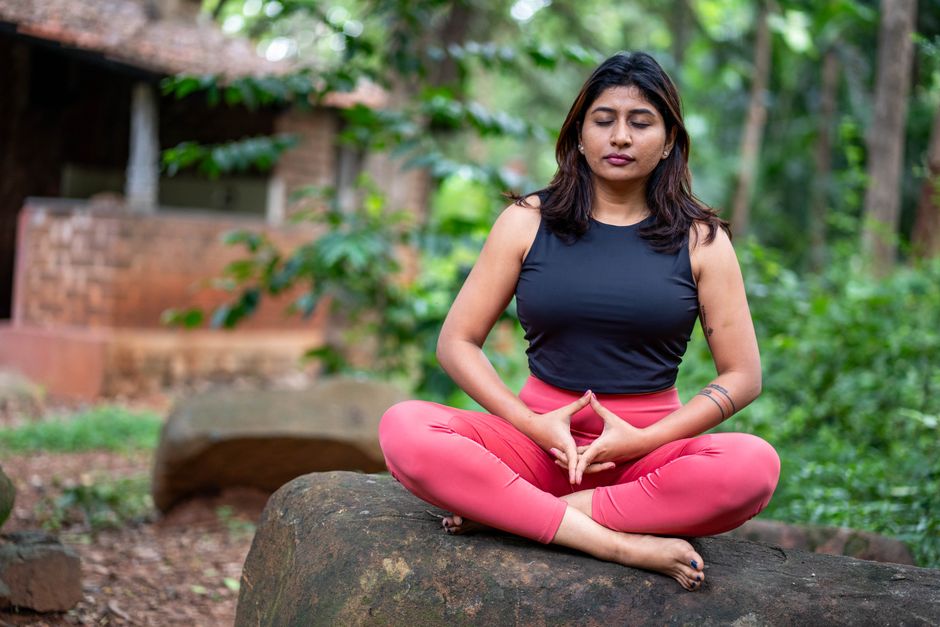
The evidence is no longer soft. Researchers at Harvard Medical School published findings as far back as 2011 showing that eight weeks of Mindfulness-Based Stress Reduction — the structured programme developed by Jon Kabat-Zinn in 1979 — measurably increased grey matter density in the hippocampus, the brain region central to learning and emotional regulation. More recent imaging studies, including a 2024 meta-analysis covering 43 trials and more than 3,500 participants, confirm that consistent meditation practice shrinks the amygdala, the almond-shaped structure that fires up during stress and fear responses. Smaller amygdala reactivity means quieter alarm bells. That is not metaphor. That is measurable change on an MRI scan.
The timing of this conversation matters. Global heat records are falling, cost-of-living pressures are grinding at household budgets, and workplace burnout rates across Southeast Asia have climbed steadily since 2022. Singapore's Health Promotion Board reported in its 2024 National Population Health Survey that nearly one in three residents aged 18 to 74 experienced moderate to high perceived stress. Against that backdrop, the question of whether mindfulness is genuinely therapeutic — or just expensive wellness theatre — has real stakes for the 5.9 million people living on this island.
What is actually changing in the brain
Two networks matter most. The default mode network, or DMN, is the brain's background chatter — the loop of self-referential thought that runs when you are not focused on a task. Mind-wandering, rumination, and the particular 2am dread of replaying an awkward conversation all originate here. Studies using functional MRI show that experienced meditators display significantly reduced DMN activity during rest states. The prefrontal cortex, meanwhile, thickens. This region governs attention, decision-making, and the capacity to pause before reacting — exactly the faculties that stress erodes.
The mechanism behind these changes is neuroplasticity, the brain's ability to rewire itself through repeated experience. Meditation, practised consistently, is a form of attentional training. Each time you notice your mind has drifted and bring it back to the breath, you are performing a bicep curl for the prefrontal cortex. Twenty minutes daily over eight weeks appears to be the threshold at which structural changes begin to show up in imaging data. That is a low bar. It is also, for most working Singaporeans juggling commutes on the MRT's East-West Line and 10-hour office days in Tanjong Pagar, still a genuine ask.
Where Singaporeans can actually start
The infrastructure for low-cost or free practice exists here if you know where to look. The Singapore Buddhist Lodge on Kim Yam Road has offered free guided meditation sessions to the public for decades, with weekly sits open to people of any or no religious background. The Brahm Centre, headquartered in Geylang Bahru, runs evidence-based Mindfulness-Based Cognitive Therapy courses — the gold-standard clinical programme developed partly to prevent depression relapse — with subsidised rates for lower-income participants under its bursary scheme. An eight-week MBCT course at Brahm Centre was priced at S$380 as of early 2026, with bursaries covering up to 80 percent of that fee.
For those who want to build a daily habit before committing to a course, the East Coast Park cycling and running corridor offers a natural environment that research consistently links to reduced cortisol levels; even a 20-minute slow walk through the Botanic Gardens in Buona Vista, pausing to focus deliberately on sound and sensation rather than a phone screen, activates the same attentional networks that formal sitting practice targets. The HDB estate gym facilities at community centres across Ang Mo Kio and Tampines also increasingly carry QR-code links to the HPB's Live Well Age Well mindfulness audio guides, launched under the Healthier SG initiative in 2023.
None of this requires incense or a particular philosophy. The science treats meditation as a skill, not a belief system. Start with a free app, a park bench on Orchard Boulevard, or a Tuesday evening session at Geylang Bahru — then stick with it for eight weeks before judging the result. The hippocampus, at least according to the data, will have already begun to respond. For any concerns about stress, anxiety or mental health, consult a doctor at your nearest polyclinic or a registered psychologist before beginning a structured programme.